Climate Risk and Resilience Toolkit 

For businesses, industries and cities, the built environment and infrastructure is where climate risk becomes economic reality.  

These curated insights help business and city leaders respond with confidence. They translate global expertise into practical guides for decarbonization, nature restoration and climate resilient action.

Energy efficient and decarbonized assets

Practical guides to accelerate the transition to low carbon futures by informing strategies and formulating policies across real-estate, construction, energy and other sectors.

Nature restoration 

Practical guides to accelerate the transition to nature positive cities and industries by informing strategies and formulating policies. 

CEO Briefing: Financing the Transition in Cities 

This briefing articulates the arguments for why financial institutions must take action on nature.

Nature Positive: Financing the Transition in Cities

An insight report making the financial case for nature solutions and provides guidelines for city and business leaders (2025).

Nature Positive: Guidelines for the Transition in Cities

An insight report for regenerating nature in cities with guiding frameworks and tools to support decisions (2024).

Nature Positive: Leaders' Insights for the Transition 

An insight report highlighting success stories of weaving nature into urban life and offers scalable solutions (2025).

Cities’ Efforts to Advance the Transition – Barranquilla 

Barranquilla, one of Colombia’s fastest-growing cities, is redefining urban development by investing over $380 million in green infrastructure, renewable energy and water management (2025).

Cities’ Efforts to Advance the Transition – San Francisco

San Francisco is leading the shift towards ecological resilience by embedding nature into city planning through partnerships, community engagement and standardized data systems (2025).

Cities’ Efforts to Advance the Transition – Durban

The City of Durban and the eThekwini Municipality are enhancing partnerships and initiatives, structures, and plans to halt and reverse nature loss by 2030, while maximizing its economic and social potential (2024).

Sector Transitions to Nature Positive 

These insights are also part of the Nature Positive Transitions series that informs sectoral approaches for business, guides the financing sector, and helps cities reconcile their relationship with nature, while aligning with the Global Biodiversity Framework. 

Climate adaptation and resilience

Practical guides to accelerate the transition to extreme weather risk adaptation and resilience across infrastructure, along with insights to catalyse public and private action across key resilience drivers for sustainable and inclusive growth. 

Business on the Edge: Building Industry Resilience to Climate Hazards

An insight report exploring climate hazards, showing how heat and flood threaten corporate fixed assets with potentially annual earnings losses of 6.6%–7.3% by 2035, and offers a roadmap for progress (2024). 

Resilient Economies: Strategies for Sinking Cities, Infrastructure and Flood Risks

An insight report highlighting the pathways for addressing compounding risks from land subsidence and extreme weather event to built infrastructure, economic and societal resilience (2025). 

Resilient Economies: Flood Adaptation Infrastructure Innovations - Japan

A briefing paper on infrastructure innovations across urban-rural areas of Japan, enabling immediate and long-term adaptation and building resilient to increasing flood risks (2026).

From Wildfire Risk to Resilience: The Investment Case for Action

A white paper presenting a framework for shifting towards prevention-focused, long-term wildfire resilience by making risk reduction measurable, priceable and financeable (2026).

Delivering Climate Resilient Cities Using a Systems Approach

An insight report providing cities with an actionable strategy to take a systems approach to climate resilience strategies. It provides a 5-step action plan to guide cities in adopting a systems approach to urban infrastructure delivery (2022). 

Resilient Firms and Economies: How to Help Unlock Growth in Emerging Markets

A white paper examining how coordinated actions can turn resilience challenges into sustainable growth, as only one in four companies feel prepared across resilience dimensions (2025).

Resilience Pulse Check: Harnessing Collaboration to Navigate a Volatile World

A white paper on how businesses are responding to today’s challenges, with insights from over 250 leaders across industries and regions (2025).

Building a Resilient Tomorrow: Concrete Actions for Global Leaders

A white paper showcasing pioneering initiatives from public and private organizations with concrete actions to promote resilience and identify opportunities for collaboration and investments (2024).

Other resources and case studies

Through it's activities the Davos Baukultur Alliance aims to identify and promote innovative practices and develop global policy principles and concrete tools to advance high-quality Baukultur.  Explore the toolkit below for supporting reports and case studies.

The Greater London Authority's (GLA)  City Intelligence Unit conducts research and analysis to understand the experiences of Londoners at night as well as the prevalence, characteristics, and experience of night time workers.The latest, December 2023, publication provides a glimpse into the next London At Night Evidence Base update, which will be published in the coming months. It reveals the latest headline findings about London’s night-time workforce.Publications available on this page include:London at Night: An Updated Evidence Base for a 24 hour City (2024)A representative survey of Londoners in March 2022Analysis of ONS Labour Force Survey data from 2015 to 2022 published in January 2023.
United Kingdom
London at night: research and analysis
Greater London Authority City to Sea
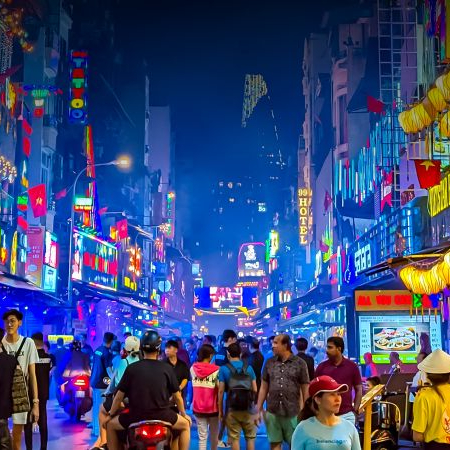
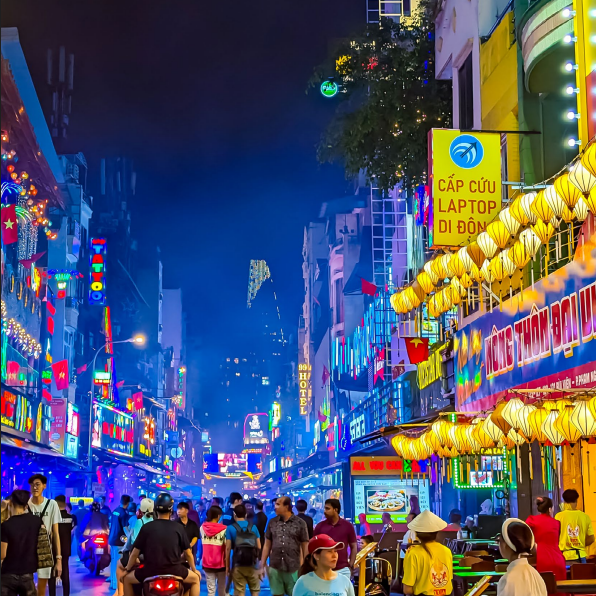
As governments seek to boost productivity and attract investment, the night-time economy is emerging as a core element of economic and urban strategy. Encouraging more sectors - from retail and fitness to cultural institutions - to trade later, and ensuring safe, inclusive evening environments, helps cities unlock greater value. Those that foster vibrant, well-managed after-dark economies gain a competitive edge by attracting visitors, retaining residents and drawing investment into future-focused urban life.A strong night-time offer signals a place that invests in connection and creativity, values how people use time and space, and recognises that life after dark isn’t an add-on - it’s a driver of prosperity, wellbeing and resilience.Topics include:            Why what happens after dark matters more than everCutting through the noise: why measure the night-time economy?The Visa Australia Night-Time Economy Index 2025How Australia’s cities stack upRoom to grow: the capitals missing from the top 20Five shifts shaping Australia’s night-time future
Australia
Visa Australia Night-Time Economy Index
Visa
This document highlights five key solution areas for sustainable last-mile logistics, each illustrated with a real-world promising practice. The solution areas represent a strategic approach that addresses specific challenges in urban logistics transformation, while the promising practices represent real-world implementations that show potential for impact based on early results but may still be evolving. These practices are presented for learning and adaptation as cities and companies experiment and scale new approaches.
Government, Mobility
Lessons from the Last Mile: Evolving Practices for Urban Logistics
The purpose of this paper is to demonstrate why the 24-hour economy matters, highlight key opportunities and challenges, and outline a shared agenda for businesses, governments and community leaders to unlock its full economic and social potential. Building on previous efforts, it also serves as a launchpad for a global platform to surface best practices, pilot innovative models, and support cities and businesses in building more vibrant, inclusive economies round the clock. 
Financial services, Government, Retail
Unlocking the Potential of 24-Hour Economies
This paper focuses on the development of future scenarios for travel and tourism to guide community members in a time of volatility and uncertainty.
Aviation & Travel
Four Scenarios for the Future of Travel and Tourism
The travel and tourism sector stands at a critical juncture. Projected to contribute $16 trillion to global GDP by 2034 – more than 11% of the world’s economy – the industry faces unprecedented growth alongside complex challenges including environmental pressures, workforce shortages and tensions between visitors and residents.This comprehensive report, developed by the World Economic Forum in collaboration with Kearney, examines key growth drivers such as evolving traveller profiles, emerging segments like wellness and ecotourism, and technological innovation. It also addresses critical tension points including climate impact, skills gaps and labour shortages, and cultural preservation challenges.The report presents 10 guiding principles for sector transformation, from adapting offerings to regenerative practices, supported by an overarching framework for holistic collaboration. These principles provide actionable pathways for governments, businesses and communities to harness tourism’s potential while addressing sustainability imperatives, ensuring the sector becomes a catalyst for global resilience, cultural understanding and inclusive prosperity.
Aviation & Travel
Travel and Tourism at a Turning Point: Principles for Transformative Growth
Prepared by the Centre for Urban Transformation in partnership with the City of Madrid and the Alliance for Clean Air, this case study offers key insights for city policy-makers and stakeholders on how the City of Madrid successfully redefined its Low Emissions Zone policy, thereby advancing cleaner air and a healthier urban environment.
Transportation, Government, Nature & Natural capital
Madrid 360 Low-Emissions Zone: Resilience and Reinvention in City Policy
The 24-hour economy is not simply about nightlife or economic expansion. It is about unlocking time as a shared public resource, redistributing access to space and opportunity, and building more adaptive cities. As cities look to the future, embracing the 24-hour model can be a powerful lever for inclusive recovery and long-term transformation. The purpose of this paper is to demonstrate why the 24-hour economy matters, highlight key opportunities and challenges, and outline a shared agenda for businesses, governments and community leaders to unlock its full economic and social potential. Building on previous efforts,1 it also serves as a launchpad for a global platform to surface best practices, pilot innovative models, and support cities and businesses in building more vibrant, inclusive economies round the clock. 
Transportation, Government, Food & Retail
Unlocking the Potential of 24-Hour Economies
Created in collaboration with a diverse set of public, private and civil society Alliance members, this report outlines bold, actionable pathways to regenerative, inclusive, and resilient cities. Structured in three chapters, the report focuses on the following key areas: Resilience and Adaptation, Sustainability and Circularity and, Affordability and Social Value Creation
Government, Engineering & Construction
From Principles to Practice: Approaches for High-Quality Baukultur
The rapid development and adoption of technology – driven by the potential for transformation, media amplification and venture capital investment – has contributed to economic growth and reshaped how people live and work. However, not all advancements have delivered the societal impact initially envisioned. This report outlines a framework for responsible innovation to guide decision-makers in navigating emerging technologies, ensuring that investments support solutions with meaningful, sustainable impact.
Technology, IT and Communications (ICT)
Shaping Tomorrow: Responsible Innovation for a Brighter Future
Nature Positive: Cities’ Efforts to Advance the Transition – San Francisco explores how urban centres can lead the shift towards ecological resilience by embedding nature-based solutions into city planning. It identifies key barriers, including fragmented governance, limited financing and the absence of a unified nature strategy. The report outlines actionable pathways forward, such as public-private partnerships, community engagement and standardized biodiversity data systems.
Government, Nature & Natural capital
Nature Positive: Cities’ Efforts to Advance the Transition – San Francisco
Cities are the world’s economic hubs, contributing 80% of global GDP, but close to half (44%) of that contribution is at risk because of nature loss. This global economic threat underscores the significance of urban nature finance as a key enabler to unlock global prosperity and resilience while safeguarding cities and their inhabitants.
Government, Nature & Natural capital
Nature Positive: Financing the Transition in Cities
This briefing paper aims to explore how T&T can capitalize on its transformative potential in a rapidly evolving world. By examining the roles of key stakeholders, emerging opportunities and innovative solutions, it aims to inspire a collective vision and foster dialogue to shape the future of the sector.
Aviation & Travel
Future of Travel and Tourism: Embracing Sustainable and Inclusive Growth
This model policy can encourage adaptive reusein cities to reduce the carbon footprint of their builtenvironments, provide benefits to communities andboost local economies. The objective is to providepractical support to cities and stakeholders to achievesustainability goals. It can offer city stakeholders abaseline for implementing a city policy, or ordinancethat facilitates the retention and conversion of existing,underutilized, and/or historically significant built assetsthrough adaptive reuse.
Government, Technology
Adaptive Reuse of Assets Model Policy
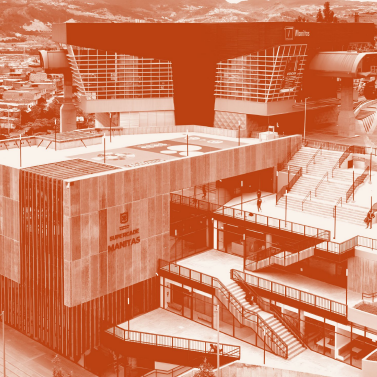
The revitalization of Regent Park (Phases 1-3) is a public-private collaboration between the Toronto Community Housing Corporation (TCHC), The Daniels Corporation (Daniels) and community residents. The goal of this effort is to convert Canada’s largest public housing community into a mixed-income, mixed-use, socially cohesive and vibrant neighbourhood. By leveraging the economic value of downtown Toronto’s real estate market, the multi-phase development is creating a socially inclusive environment for its residents by addressing the complexities of urban renewal within a context of declining public funding for social housing. Residents are guaranteed a right of return as the revitalization moves through phases of development, which include housing and numerous public amenities such as sports and cultural facilities, a community centre, retail space for national brands, small businesses and green space.
Canada | Government, Engineering & Construction
Regent Park
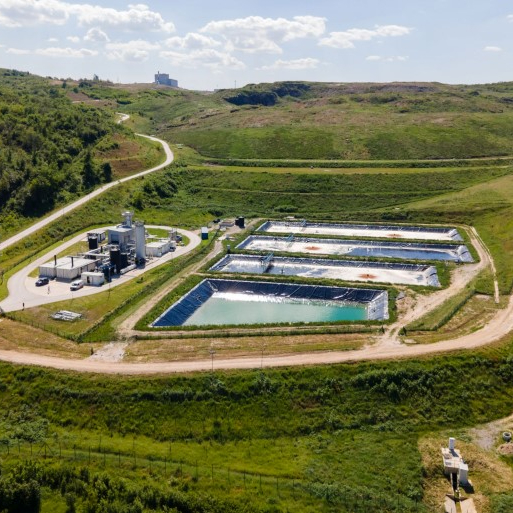
The Belgrade Waste Management project is a €400 million public-private partnership (PPP) that is overhauling the City of Belgrade’s waste management system. To remediate one of the world’s most polluting dumpsites spanning 40 hectares near the Danube River,1 the City of Belgrade created the Beo Čista Energija, a Special Purpose Vehicle company with numerous private sector partners, including ITOCHU Corporation (Japan), VEOLIA Group (France) and Marguerite, a pan-European infrastructure fund (Luxembourg).The project includes the design, financing, construction and operation of the new Energy from Waste facility, the new sanitary landfill, the construction and demolition waste facility, the leachate treatment facility and the landfill gas facility. The project is certified to reduce Belgrade’s greenhouse gas emissions by 210,000 tons of CO2 annually. In addition to the environmental impact, the project is creating jobs, upskilling workers and enhancing the quality of life for those who work at and live near the landfill.
Serbia | Financial services, Government, Engineering & Construction
Belgrade Waste Management project
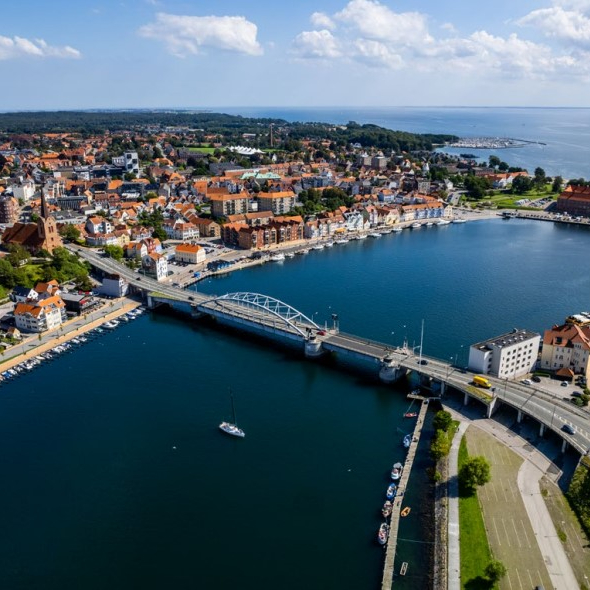
ProjectZero is a public-private collaboration to achieve carbon neutrality in Sønderborg, Denmark, by 2029. From the outset, the multistakeholder collaboration fostered knowledge-sharing between citizens, educational institutions like the University of Southern Denmark, foundations such as the Bitten & Mads Clausen Foundation, NGOs, companies and the municipality of Sønderborg. Through concrete and measurable steps embedded in the master plan, the project engages experts to work on selected “hotspots”, with its approach anchored in three main principles: reducing energy consumption, cross-sector integration and generating carbon-neutral energy. Through an integrated system that engages residents, businesses from various sectors and the local government, this initiative has successfully cut carbon emissions by two-thirds by the end of 2023. ProjectZero operates on the principle that solutions to decarbonization already exist and are cost-effective, eliminating the need to wait for future innovations.
Denmark | Education, Energy & utilities, Government
ProjectZero PPP Project
As urbanization increases, so do the challenges of climate change and nature loss. By 2050, 2.5 billion more people will live in cities, making local governments pivotal in shaping nature-positive and climate-resilient agendas.
Nature Positive: Leaders’ Insights for the Transition in Cities
Electric vehicles (EV) will play a pivotal role in the transport sector’s transition to zero emissions. While global sales are surging, in many cities the development of publicly-available charging infrastructure is not progressing quickly enough to meet this growing demand. This paper offers a strategic policy roadmap that city governments can use to scale investment in EV charging infrastructure.
Government, Mobility
Scaling Investment in EV Charging: A Policy Roadmap for Cities
Large-scale developments take many years and involve multiple stakeholders. This poses systemic challenges for achieving social value impacts in urban regeneration projects even for willing participants. To this end, the World Economic Forum partnered with Avison Young to better understand key challenges in the effective delivery of social value that benefits the immediate community as well as the city at large. This white paper outlines six core principles supported by case studies that city leaders, the private sector and communities can use to embed social value goals in the redevelopment process from the start.
Government, Engineering & Construction
Improving Social Outcomes in Urban Development: A Playbook for Practitioners