Climate Risk and Resilience Toolkit 

For businesses, industries and cities, the built environment and infrastructure is where climate risk becomes economic reality.  

These curated insights help business and city leaders respond with confidence. They translate global expertise into practical guides for decarbonization, nature restoration and climate resilient action.

Energy efficient and decarbonized assets

Practical guides to accelerate the transition to low carbon futures by informing strategies and formulating policies across real-estate, construction, energy and other sectors.

Nature restoration 

Practical guides to accelerate the transition to nature positive cities and industries by informing strategies and formulating policies. 

CEO Briefing: Financing the Transition in Cities 

This briefing articulates the arguments for why financial institutions must take action on nature.

Nature Positive: Financing the Transition in Cities

An insight report making the financial case for nature solutions and provides guidelines for city and business leaders (2025).

Nature Positive: Guidelines for the Transition in Cities

An insight report for regenerating nature in cities with guiding frameworks and tools to support decisions (2024).

Nature Positive: Leaders' Insights for the Transition 

An insight report highlighting success stories of weaving nature into urban life and offers scalable solutions (2025).

Cities’ Efforts to Advance the Transition – Barranquilla 

Barranquilla, one of Colombia’s fastest-growing cities, is redefining urban development by investing over $380 million in green infrastructure, renewable energy and water management (2025).

Cities’ Efforts to Advance the Transition – San Francisco

San Francisco is leading the shift towards ecological resilience by embedding nature into city planning through partnerships, community engagement and standardized data systems (2025).

Cities’ Efforts to Advance the Transition – Durban

The City of Durban and the eThekwini Municipality are enhancing partnerships and initiatives, structures, and plans to halt and reverse nature loss by 2030, while maximizing its economic and social potential (2024).

Sector Transitions to Nature Positive 

These insights are also part of the Nature Positive Transitions series that informs sectoral approaches for business, guides the financing sector, and helps cities reconcile their relationship with nature, while aligning with the Global Biodiversity Framework. 

Climate adaptation and resilience

Practical guides to accelerate the transition to extreme weather risk adaptation and resilience across infrastructure, along with insights to catalyse public and private action across key resilience drivers for sustainable and inclusive growth. 

Business on the Edge: Building Industry Resilience to Climate Hazards

An insight report exploring climate hazards, showing how heat and flood threaten corporate fixed assets with potentially annual earnings losses of 6.6%–7.3% by 2035, and offers a roadmap for progress (2024). 

Resilient Economies: Strategies for Sinking Cities, Infrastructure and Flood Risks

An insight report highlighting the pathways for addressing compounding risks from land subsidence and extreme weather event to built infrastructure, economic and societal resilience (2025). 

Resilient Economies: Flood Adaptation Infrastructure Innovations - Japan

A briefing paper on infrastructure innovations across urban-rural areas of Japan, enabling immediate and long-term adaptation and building resilient to increasing flood risks (2026).

From Wildfire Risk to Resilience: The Investment Case for Action

A white paper presenting a framework for shifting towards prevention-focused, long-term wildfire resilience by making risk reduction measurable, priceable and financeable (2026).

Delivering Climate Resilient Cities Using a Systems Approach

An insight report providing cities with an actionable strategy to take a systems approach to climate resilience strategies. It provides a 5-step action plan to guide cities in adopting a systems approach to urban infrastructure delivery (2022). 

Resilient Firms and Economies: How to Help Unlock Growth in Emerging Markets

A white paper examining how coordinated actions can turn resilience challenges into sustainable growth, as only one in four companies feel prepared across resilience dimensions (2025).

Resilience Pulse Check: Harnessing Collaboration to Navigate a Volatile World

A white paper on how businesses are responding to today’s challenges, with insights from over 250 leaders across industries and regions (2025).

Building a Resilient Tomorrow: Concrete Actions for Global Leaders

A white paper showcasing pioneering initiatives from public and private organizations with concrete actions to promote resilience and identify opportunities for collaboration and investments (2024).

Other resources and case studies

Through it's activities the Davos Baukultur Alliance aims to identify and promote innovative practices and develop global policy principles and concrete tools to advance high-quality Baukultur.  Explore the toolkit below for supporting reports and case studies.

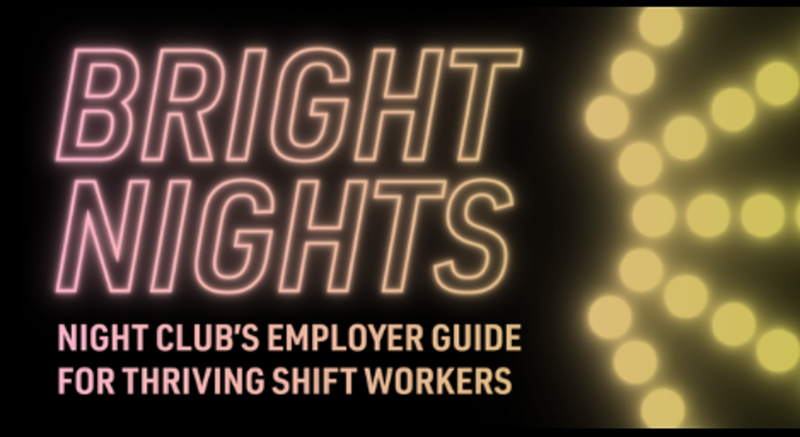
"Night workers are the backbone of the UK’s 24/7 economy – but they’re often exhausted, under-supported and left out of the conversation. Our new employer guide, Bright Nights, is here to help change that. Combining science, new research, frontline feedback and employer insight, our new publication is packed with information about the effects of shift work, and inspiration and practical guidance for employers to better support healthy, engaged and productive night workers."
United Kingdom
Bright Nights: Employer Guide for Thriving Night Workers
"Throughout its long history, nightlife has been central to New York City’s identity. The “city that never sleeps” is a destination for dreamers and doers and an epicenter of creativity. It boasts something for everyone once the sun sets, including opportunities for dining, dancing, performing, socializing, or building a career. Over many decades, New York nightlife has launched cultural and social movements that resonated far beyond the city’s shores: from the social consciousness of beat poetry, folk music, and hip-hop, to the rhythms of jazz, salsa, disco, punk rock, and many more. New York nightlife has inspired artists and entertainers to push boundaries, and provided places for people to come together to f ind community, all of which contributes to the city’s distinctive energy."
USA
NYC Nightlife Economic Impact Report
"This report offers an overview of the inner workings of the nightclub industry. These insights stem from twenty years of dedicated advocacy and campaigning for Ireland’s nightlife, using learnings from research conducted in 2024, as well as recent domestic and international data. Together, these elements demonstrate the challenges and opportunities faced by the sector, while offering a roadmap for its future."
Ireland
The Rhythm of the Night: A Report on Ireland's Nightclub history and night culture
As urban populations surge towards 70% of humanity by 2050, innovation districts have emerged as critical catalysts for reimagining how cities generate prosperity, foster collaboration and create opportunity. Yet how do we ensure these districts deliver not just economic returns, but meaningful benefits for the communities they serve?This paper presents a toolkit that distils best practice and tangible lessons from 10 inspiring innovation districts drawn from every continent. The toolkit is organized around three components – collaborative governance, human-centric placemaking and efficient digital infrastructure – which embody the World Economic Forum’s eight guiding principles for responsible innovation and translate them into practical steps.
Government, Engineering & Construction, Technology
Innovation Ecosystems: A Toolkit of Principles and Best Practice
The Greater London Authority (GLA) commissioned Publica to create the most ambitious night time guidance produced by any city in the world. It sets out the many benefits for councils, communities and businesses, of creating diverse and inclusive night time plans together, with step-by-step guides and case studies from across the globe on how this can be achieved.The guidance falls into two parts:Part One: Guidance on ProcessPart Two: Guidance, precedents and case studies
United Kingdom
London: Night-Time Strategy Guidance
Greater London Authority City to Sea
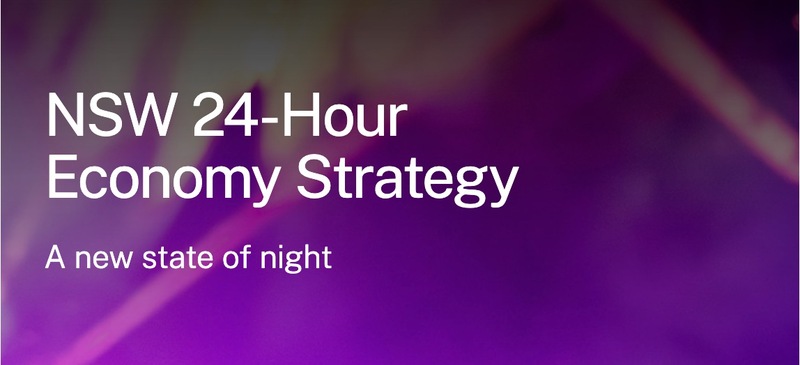
The refreshed strategy builds on the work done by the Office of the 24-Hour Economy Commissioner over the last few years and sets out a new vision for the state’s vibrant nocturnal landscape – one that focuses on improving amenities for night-time workers, champions First Nations storytelling and puts an emphasis on data and measurement.
Australia
NSW 24-Hour Economy Strategy: A new state of night
NSW Office of the 24-Hour Commissioner
The Night-Time Economy Strategy Template is designed to support council officers in New South Wales (Australia) in developing or refreshing local night-time economy or 24-hour economy strategies. 
Australia
Night-Time Economy Strategy Template
NSW Office of the 24-Hour Commissioner
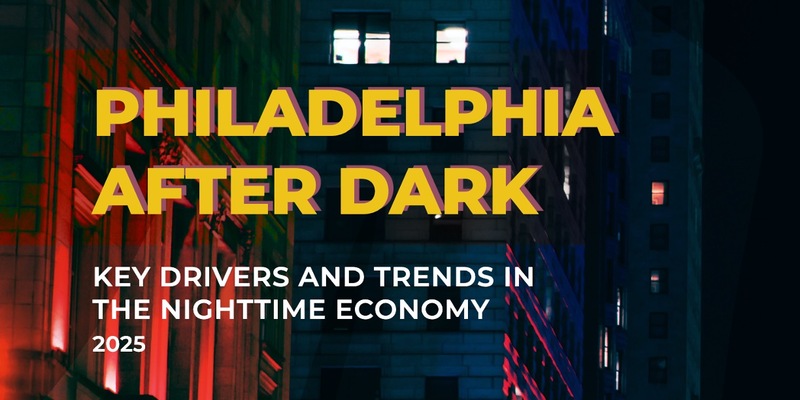
This Philadelphia Nighttime Economy Impact Study marks the first comprehensive evaluation of Philadelphia’s nighttime economy, examining a broad range of sectors including hospitality, arts, culture, sports, manufacturing and essential services. Key findings include:Economic Output: An estimated $26.1 billion in total annual economic output in Philadelphia.Local Job: Approximately 132,000 jobs supported, generating $9 billion in wages for local workers.Tax Revenue: $358.8 million in annual tax revenue for the City of Philadelphia and $570.2 million for the Commonwealth of Pennsylvania.
USA
Philadelphia After Dark: Key Drivers and Trends in the Night-Time Economy
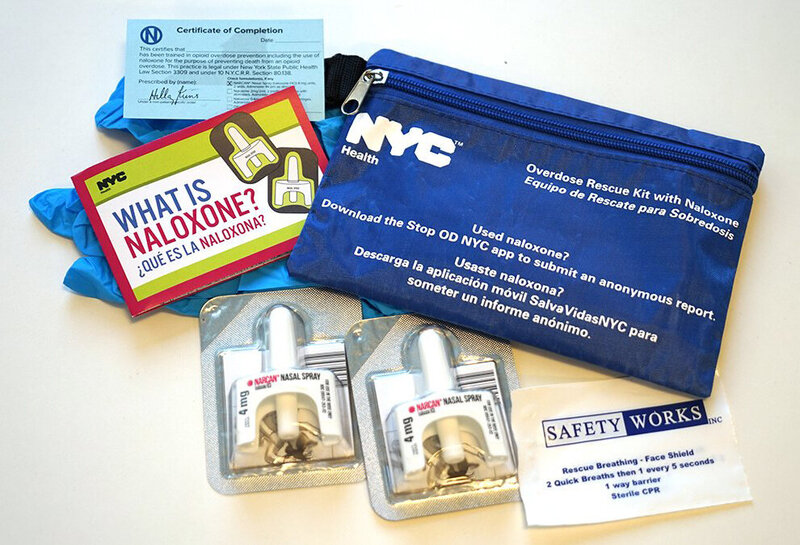
In 2020, 1,580 New Yorkers died from a fentanyl-involved overdose. The presence of fentanyl in the NYC drug supply has dramatically increased and is now the most common drug involved in accidental overdose deaths. Anyone who uses drugs that contain fentanyl, even occasionally, may be at risk of overdose. It has been found in different drugs like heroin, cocaine, crack, methamphetamine, ketamine, and pills.The Narcan® Behind Every Bar campaign helps bring life-saving opioid overdose prevention training, tools and resources to the nightlife and hospitality community as part of NYC’s harm reduction approach to substance use. This initiative is managed by the NYC Office of Nightlife (ONL) at the NYC Department of Small Business Services (SBS) in partnership with the NYC Department of Health & Mental Hygiene (DOHMH).
USA
Narcan behind every bar
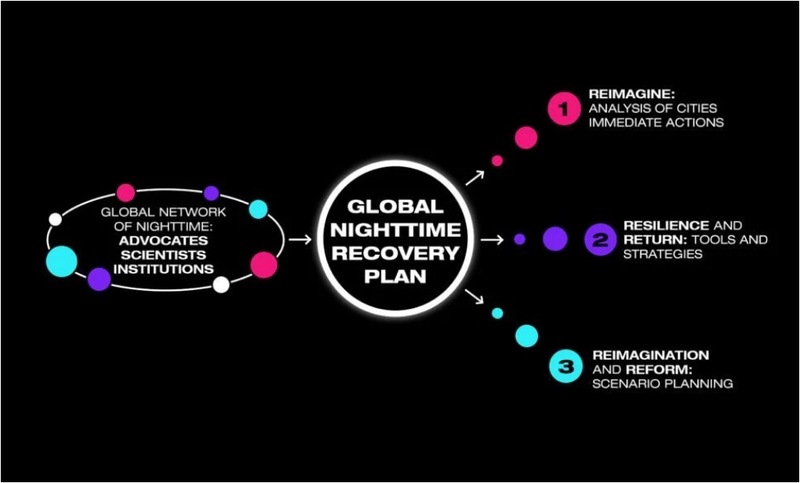
The Global Nighttime Recovery Plan (GNRP) is a collaborative guide that empowers cities to design and implement safe strategies for reopening their creative and night-time economies. With the input of over 130 experts from 70 cities worldwide, the interactive platform shares frameworks, tools, and practices.
Global Nighttime Recovery Plan
VibeLab
The regulation of Special Entertainment Precincts (SEPs) in New South Wales aims to formalise and manage late‑night precincts through council-led precinct plans. Under the Local Government Act 1993 and recent 24-Hour Economy reforms (2023–2024), councils can designate areas (streetscapes or single venues) where sound levels and trading hours are explicitly managed. SEPs are intended to encourage live performance, nightlife and tourism while offering residents clarity on expected noise and traders benefits such as extended hours and reduced licence fees. The framework is backed by mandatory guidelines, acoustic toolkits, grant support, and structured governance—all intended to balance vibrancy and amenity.
Australia
Special Entertainment Precinct Regulation
NSW Office of the 24-Hour Commissioner
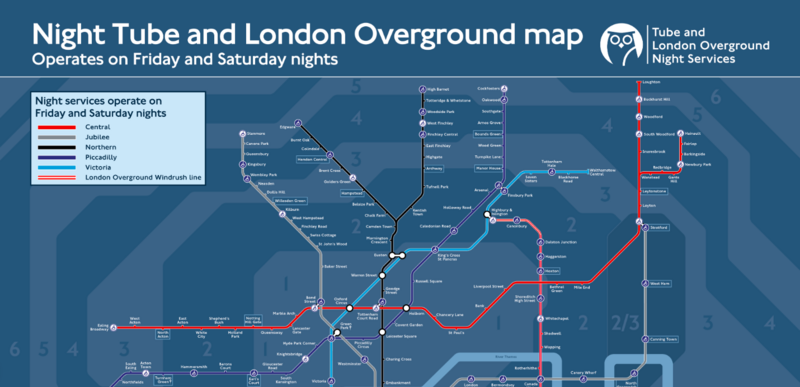
The Night Tube service represents London’s first full overnight metro on Fridays and Saturdays. Launched in August 2016 on the Central and Victoria lines, it was later extended to Jubilee, Northern and Piccadilly lines. Operating from around midnight to 5:30 a.m., it offers consistent 10–20 minute frequencies. Managed by Transport for London (TfL), the Night Tube enables regular fare use, maintains staffed stations, and ensures safety with added British Transport Police presence. The service integrates with 24-hour bus routes, forming a backbone of the city’s night-time mobility infrastructure. It aims to support shift workers, enhance access to culture and entertainment, and strengthen London’s 24-hour economy.
United Kingdom | Transportation
London Night Tube launch
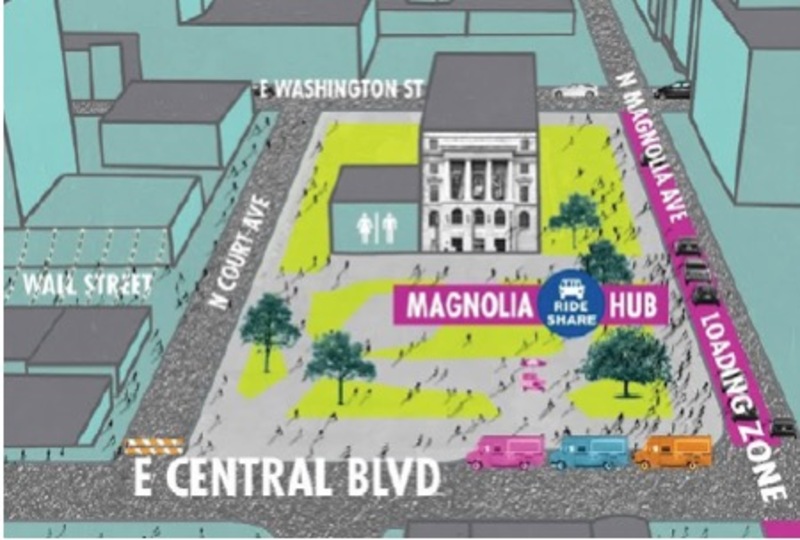
Downtown Orlando launched a Rideshare Hub Pilot program to coordinate safe rides home at closing time. Prior to the pilot, people wandered at closing time, unaware of where to best grab a late-night bite, where they could use the restroom and where the best place was to pick-up their rideshare. Two rideshare hubs are now in operation on Fridays and Saturdays from midnight to 3:00 a.m. The six-month pilot program received a six-month extension, resulting in operation between May 2019 - May 2020.The hubs are strategically located and designed for easy ingress and egress of vehicles as well as walkable from anywhere downtown. The hubs not only centralize where nightlife patrons pick up their Lyft or Uber ride, but also include food trucks, public restrooms and dedicated security. The creation of the hubs have addressed closing time issues like crowd surge, disorganization of various modes of transport and pedestrian safety. 
USA
Orlando’s Rideshare Hubs : Efficient Egress at Closing Time in Downtown Orlando
Responsible Hospitality Institute
Puntos Lila are gender-based violence prevention spaces deployed at festivals, nightlife and public events in Barcelona. Initiated in 2017 and formalised by the City Council, these mobile and fixed stands offer support to victims of sexist or LGBTI-phobic aggression. Staffed by trained professionals, they provide visible, safe points for guidance, care and referral. Operating mainly during high-attendance nightlife and leisure events, they form part of the city's broader strategy for a feminist, community-based approach to public safety.
Spain
Puntos Lila (Purple Points)
Ayuntamiento de Barcelona
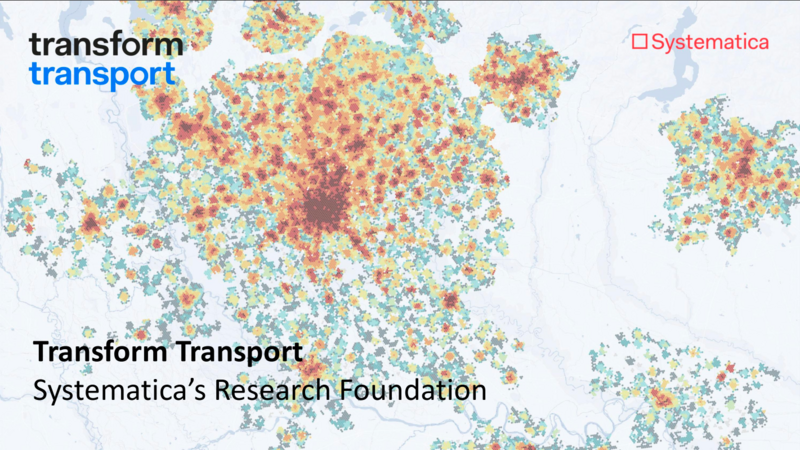
This case study investigates Milan’s 24-hour accessibility using a time-variant adaptation of the 15-Minute City framework. The objective was to evaluate walkability across different times of day, focusing on the needs of nighttime communities, including shift workers and other non-traditional urban users. Leveraging GIS tools, Google Places API data, and a customised version of Transform Transport’s 15-Minute City Score Toolkit, the research analyzed over 46,000 Points of Interest (POIs) and mapped service availability across a hexagonal grid of Milan. Results revealed stark contrasts in accessibility between day and night, with nighttime service availability often falling below 20% of midday levels, especially in peripheral areas. The study highlights the spatial and temporal inequalities in urban access and proposes the integration of temporal data into urban planning practices.
Into the Night: Exploring the 24-hour Rhythms of the 15-Minute City
The Night‑Time Data Observatory (NTDO) is a central repository created by the Greater London Authority (GLA) to support data-driven policy and strategy for London’s night-time economy and urban life at night. Launched in 2021 under the Night Time Strategy guidance, the Observatory collates over 30 datasets across four themes:VibrancyVitalitySafety LivabilityDrawing on sources such as transport usage, crime, high street footfall, workforce demographics, and public perception surveys. It serves as a real-time decision-making tool for boroughs and stakeholders, enabling evidence-based planning of nighttime strategies and community interventions. The NTDO is an ongoing initiative, with updates—including a new evidence base released in December 2023—helping to monitor trends, inform policy adjustments, and benchmark impact over time. The Observatory positions London at the forefront of urban night-time governance and comprehen
United Kingdom
London Night‑Time Data Observatory
Greater London Authority City to Sea
Since 2001, the phenomenon of nighttime commissions or individual leaders, often known as “night mayors” or “night czars,” has been gaining momentum across the globe. With more than 80 cities embracing this approach, the diverse nature of these roles reflects each city’s unique characteristics and needs.The Nighttime Advocacy Map aims to document and showcase the remarkable contributions of nighttime commissions and leaders worldwide. It provides a valuable resource for cities, policymakers, and urban enthusiasts to understand nighttime governance’s various models, strategies, and successes.
Nighttime Advocacy Map: Mapping Night Mayors, Offices and Commissions Worldwide
VibeLab
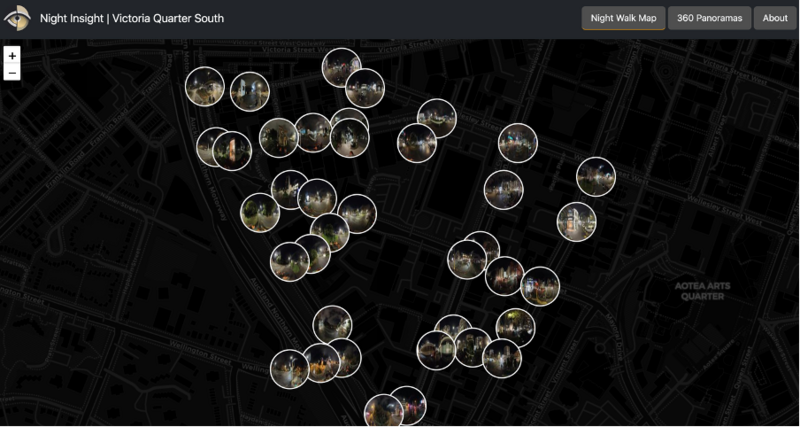
The Night Insight tool allows you to navigate through night-time spaces, comment, and make known your likes, dislikes, joys and concerns about our urban zones after dark.                        Part of Arup's Night-time research and analysis, the Night Insight tool can enhance our perception of safety by use of 360 photography and videos, as well as more technical lux, lumen and luminance analysis.                        For more information, Contact: Tim Hunt or Fleur Martin-Austin
Night Insight Tool
Arup Group
The objective of this preliminary study is to characterize Bogotá’s night shift in order to gain a broader understanding of its commercial, cultural, and civic activities, as well as its socio-governmental services. The study aims to identify strategies, activities, actors, and areas of opportunity for the city, which will serve as input for the development of the Estrategia Bogotá Productiva 24 Horas (Productive 24-Hour Bogotá Strategy)
Colombia
Diagnóstico Bogotá Productiva 24 Horas
Mayor of Bogota
This document aims to summarize the main learnings derived from Ciudades Nocturnas: La Primera Conferencia Latinoamericana sobre Planificación Urbana Nocturna (Night Cities: The First Latin American Conference on Night-time Urban Planning), held on November 22, 2018, in Bogotá, Colombia. The study of nocturnity (translated from nocturnidad in Spanish) is an emerging field. Globally, an increasing number of cities are exploring mechanisms to enhance conviviality and productivity in nocturnal spaces and to harness them as platforms for positive transformation.Nevertheless, managing nocturnity is not about finding a single magic formula. Each city has its own history and unique nocturnal vocation, and its strategy must be equally distinctive, grounded in the needs and expectations of its citizens. This is not always an easy task: noise, violence, inequality, and informality are just some of the challenges associated with urban nightlife, particularly in Latin America.
Latin America
Manifiesto: Ciudades Nocturnas de América Latina
Camara de Comercio de Bogota CCB